

Reclaim Strength. Restore Vitality. Optimize Performance.
At Vitality Cove, we go beyond testosterone—focusing on energy, strength, and long-term wellness. Our personalized hormone therapy, supplement plans, nutrition strategies, and tailored exercise programs help you boost energy, enhance recovery, and improve performance. Whether you want to build muscle, sharpen mental clarity, or restore libido, we create a plan tailored to your goals.
-
Bioidentical hormone replacement therapy (BHRT) uses bio identical hormones. These hormones are derived from natural sources and are molecularly identical to the hormones your body naturally produces. Unlike synthetic hormones, BHRT offers a safer, more effective solutionfor restoring balance and optimizing well-being.
-
Testosterone & Cancer: Clearing the Misconceptions
Testosterone does not cause cancer, including prostate cancer.
The misconception began with outdated studies from the 1940s, which have since been disproven by modern research.
Recent large-scale studies and reviews show no link between testosterone therapy and increased prostate cancer risk in healthy men.
The American Urological Association and other medical organizations consider testosterone therapy safe and effective when properly managed.
Testosterone therapy is monitored carefully, with regular PSA testing and clinical follow-up to ensure safety.
Untreated low testosterone can lead to:
Reduced bone density (osteopenia/osteoporosis)
Higher cardiovascular risk
Insulin resistance and metabolic dysfunction
Lower quality of life (fatigue, low libido, depression)
Key takeaway:
With proper screening and medical supervision, testosterone therapy is a safe and important tool in men’s health—not a cancer risk.
-
Signs of Hormone Imbalance & Testosterone Deficiency in Men
⚡ Fatigue & Low Energy – Constant exhaustion, lack of motivation, and decreased stamina can signal a hormonal imbalance.
⚡ Loss of Muscle Mass & Strength – Struggling to build or maintain muscle, even with regular exercise, may indicate low testosterone.
⚡ Increased Body Fat – A noticeable increase in abdominal fat or the development of gynecomastia (chest fat) can be linked to hormonal shifts.
⚡ Reduced Libido & Erectile Dysfunction – A drop in sexual desire, difficulty achieving or maintaining erections, or fewer morning erections are key signs.
⚡ Hair Loss – Thinning hair on the scalp, face, or body may be tied to testosterone decline.
⚡ Mood Swings & Irritability – Increased anxiety, frustration, or sudden mood changes can be caused by hormonal imbalances.
⚡ Brain Fog & Memory Issues – Trouble concentrating, forgetfulness, and slowed cognitive function often stem from low testosterone.
⚡ Poor Sleep Quality – Insomnia, restless nights, or waking up frequently may be linked to hormone deficiencies.
⚡ Weight Gain & Difficulty Losing Weight – Low testosterone can slow metabolism, making fat loss a challenge, especially around the midsection.
⚡ Decreased Bone Density – Weakening bones increase the risk of fractures and osteoporosis over time.
⚡ Changes in Cholesterol & Blood Pressure – Hormonal imbalances can contribute to cardiovascular risk factors, including high blood pressure and cholesterol issues.
⚡ Infertility & Reduced Sperm Count – Testosterone plays a key role in sperm production, and low levels can lead to reproductive challenges.
-
Step 1: Understanding Your Whole Health Story
Your first visit is about more than what brought you in today — it’s about your entire health journey.
We’ll explore your:
Eating habits and nutrient intake
Sleep quality and recovery
Exercise and movement patterns
Stress levels, mood, digestion, and lifestyle factors
Step 2: Advanced Laboratory & Functional Testing
We use expanded lab panels that go far beyond standard testing to see how your body is functioning as a whole. This may include:
Full hormone panels (including metabolites)
Complete thyroid analysis
Nutrient & mineral status
Gut health and detox pathway assessments (learn more)
Step 3: Personalized Care Plan
We combine your history, lab results, and lifestyle to create a custom wellness plan that addresses root causes and supports long-term vitality. Our goal is to help you feel energized, balanced, and in control of your health.
-
Testosterone decline is increasingly common in men in their 20s and 30s.
Testosterone levels in men begin to decline as early as their late 20s to early 30s, often dropping by 1-2% per year. While this decline is considered a “normal” part of aging, many men experience symptoms of low testosterone (Low T) even when their levels fall within the so-called “normal range.”
Obesity is a major contributor to low testosterone levels.
Excess body fat increases aromatase activity, converting testosterone into estrogen.
Higher estrogen further suppresses testosterone production, creating hormonal imbalance.
Obesity causes insulin resistance and inflammation, disrupting the HPG axis (the hormonal control center for testosterone).
A 2020 study in The Journal of Clinical Endocrinology & Metabolism linked even modest body fat increases to lower total and free testosterone in young men.
This creates a vicious cycle, making weight loss and hormone balance more challenging without targeted intervention.
-
✔ Processed & Inflammatory Foods
The Standard American Diet (SAD) is loaded with sugar, refined carbs, and unhealthy fats, which cause insulin resistance, chronic inflammation, and weight gain—major disruptors of hormone balance. Poor nutrition can also deplete key micronutrients like zinc, magnesium, and vitamin D, all essential for healthy hormone production.
✔ Chronic Stress & Cortisol Overload
Long work hours, lack of rest, and constant high stress levels drive excess cortisol production, which can suppress testosterone, disrupt estrogen-progesterone balance, and lead to adrenal fatigue. Chronic stress also increases cravings for sugar and processed foods, worsening the problem.
✔ Poor Sleep & Hormone Disruption
Lack of quality sleep affects the production of growth hormone, testosterone, and melatonin, leading to faster aging, weight gain, and mental fatigue. Sleep deprivation also increases cortisol, which further disrupts hormone balance.
✔ Endocrine Disruptors in the Environment
Plastics, pesticides, and chemicals found in processed foods, skincare products, and household items contain endocrine disruptors like BPA and phthalates. These mimic estrogen, lower testosterone, and contribute to estrogen dominance, leading to weight gain, fatigue, and reproductive health issues.
✔ Lack of Strength Training & Excessive Cardio
A sedentary lifestyle reduces testosterone and growth hormone production, while excessive cardio without strength training can increase cortisol and accelerate muscle loss. Resistance training and proper recovery are key to maintaining hormone health and metabolism.
-
Men's health is often narrowly associated with testosterone levels, but optimal wellness depends on a balance of several key hormones, including estrogen, progesterone, DHEA, and thyroid hormones. These hormones work synergistically to maintain physical health, mental clarity, energy levels, and overall well-being.
Estrogen and Progesterone in Men
Though commonly labeled “female hormones,” estrogen and progesterone play critical roles in men’s health. Estrogen, primarily estradiol, is essential for bone density, cardiovascular health, and libido. Low or excessively high estrogen can lead to symptoms ranging from fatigue and weight gain to mood disturbances. Progesterone acts as a precursor to other hormones and helps balance estrogen’s effects, reducing inflammation and supporting nervous system health. Men produce progesterone in small amounts, and its imbalance can contribute to anxiety, sleep problems, and hormonal disruption.DHEA: The Master Precursor
Dehydroepiandrosterone (DHEA) is a vital precursor hormone produced by the adrenal glands. It serves as a building block for both testosterone and estrogen and plays a prominent role in immune function, energy metabolism, and stress response. Declining DHEA levels with age can negatively impact mood, muscle mass, and cognitive function. Maintaining optimal DHEA levels helps ensure that the body has the necessary raw materials to maintain hormonal harmony.Thyroid Hormones: The Metabolic Engine
The thyroid gland produces hormones that regulate metabolism, energy expenditure, and many physiological processes. Hypothyroidism or hyperthyroidism can profoundly affect the balance of sex hormones, including testosterone, estrogen, and progesterone. Even subtle thyroid imbalances can lead to fatigue, weight changes, mood swings, and changes in libido. Proper thyroid function ensures that hormone synthesis and conversion processes operate efficiently.Interplay and Balance
These hormones do not work in isolation. For instance, thyroid hormones influence the conversion of testosterone into estrogen, and DHEA production is affected by stress and thyroid status. Similarly, progesterone helps mitigate the potentially negative effects of estrogen imbalance. An optimal hormonal environment supports muscle growth, healthy fat distribution, bone strength, and mental health.Balancing testosterone alone is insufficient for true hormone health. Comprehensive evaluation and regulation of estrogen, progesterone, DHEA, and thyroid hormones are critical to achieve and maintain men's overall wellness. At VitalityCove, we emphasize a holistic approach to hormone health, recognizing the intricate interplay among these hormones to provide personalized and effective care.
-
Yes, check out our Peptide selection here
-
more info here
Services
-
![A middle-aged woman with shoulder-length gray hair, smiling softly, looking slightly to her right, in a softly lit indoor setting with blurred background.]()
Women's Cove
A Sanctuary For Women Of All Ages.
-
![A middle-aged man with dark hair and beard, wearing a blue t-shirt, smiling outdoors at sunset, with trees in the background.]()
Men's Cove
Empowering men to feel their best at every stage of life.
-
![A woman in a hospital bed holding a glass of lemon and mint infused water, smiling and looking happy.]()
Infusion Cove
Optimal Vitality: One drip at a time.
-
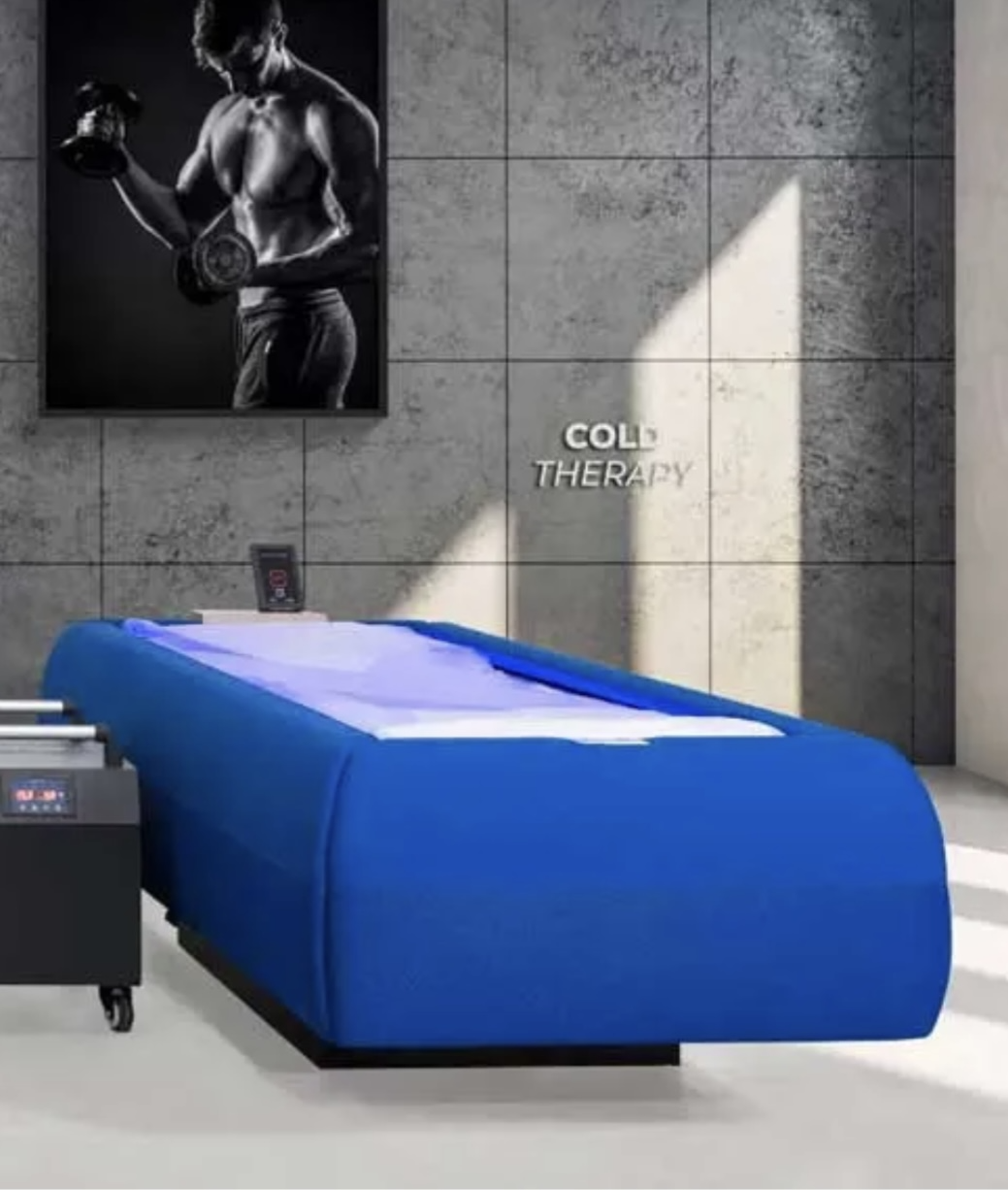
![A cold therapy bed with a blue cover in a modern room, with a large fitness poster on the wall and the words 'Cold Therapy' written on the wall beside it.]()
Recovery Cove
Boost recovery, circulation, and energy with targeted whole body rejuvenation.
-
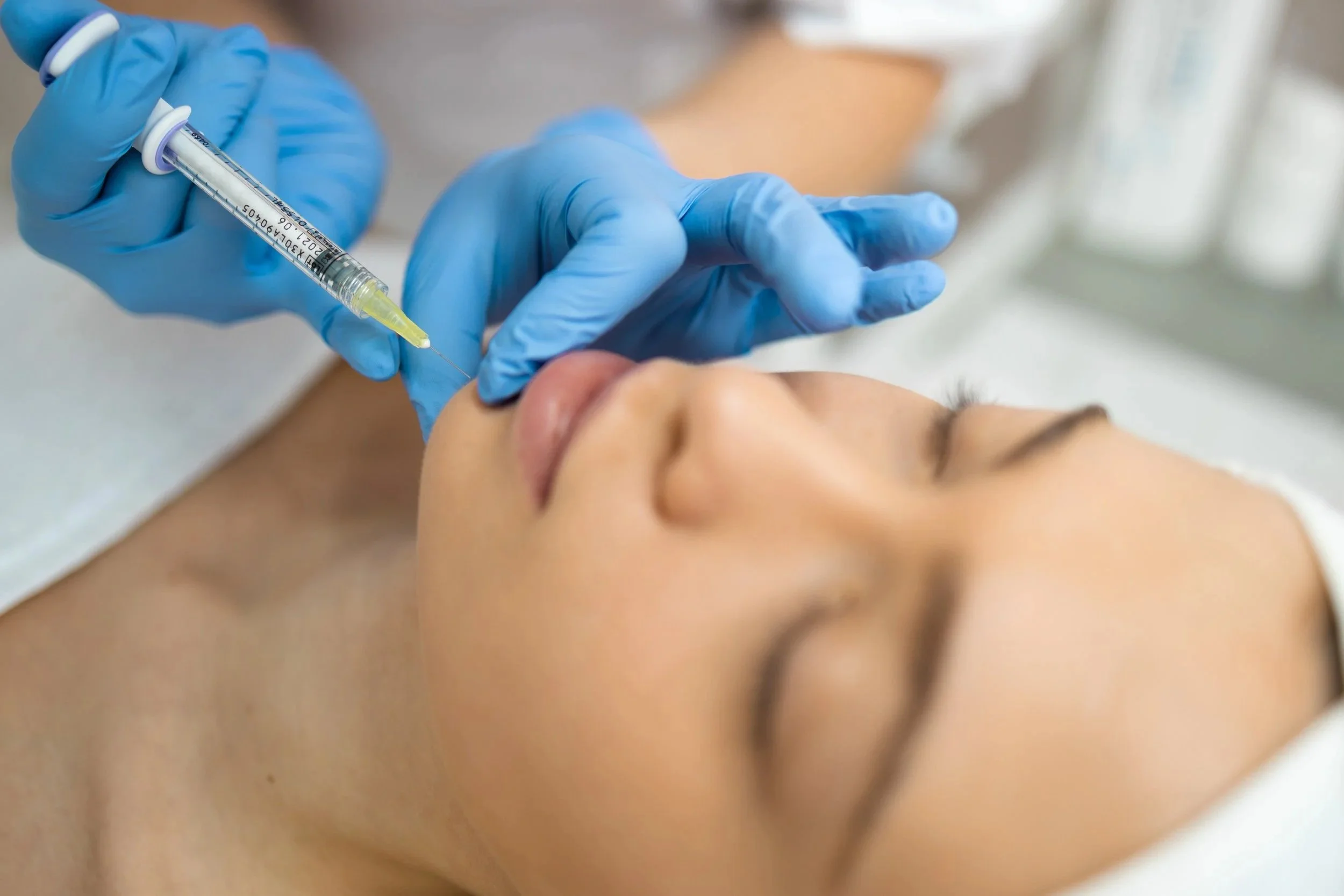
![Close-up of a woman receiving a cosmetic or skincare injection in her face by a healthcare professional wearing blue gloves.]()
Aesthetic Cove
Skin Deep Vitality.
-
![Two shirtless men with surfboards stand on the beach, smiling and talking, with a scenic ocean and hillside in the background at sunrise or sunset.]()
Longevity Cove
Optimize you now - thrive for decades.
-
![Young male baseball player wearing a helmet and face paint, holding a bat over his shoulder on a baseball field.]()
Athlete's Cove
Study Smart. Train Hard. Recover with us





Feel Like Yourself Again
“At Vitality Cove, we take a holistic, science-based approach to hormone optimization, combining BHRT, targeted supplements, and personalized nutrition plans for long-term wellness.”